Wise Owl Parent Psychology
Online coaching with Clinical Psychologist Lorinda Shaw
My vision is to help you build a model of wisdom that you can draw upon throughout your child's lifetime. So when the next issue arises, you are more confident in solving it yourself. Wise Owl Parent Psychology helps parents to solve problems.
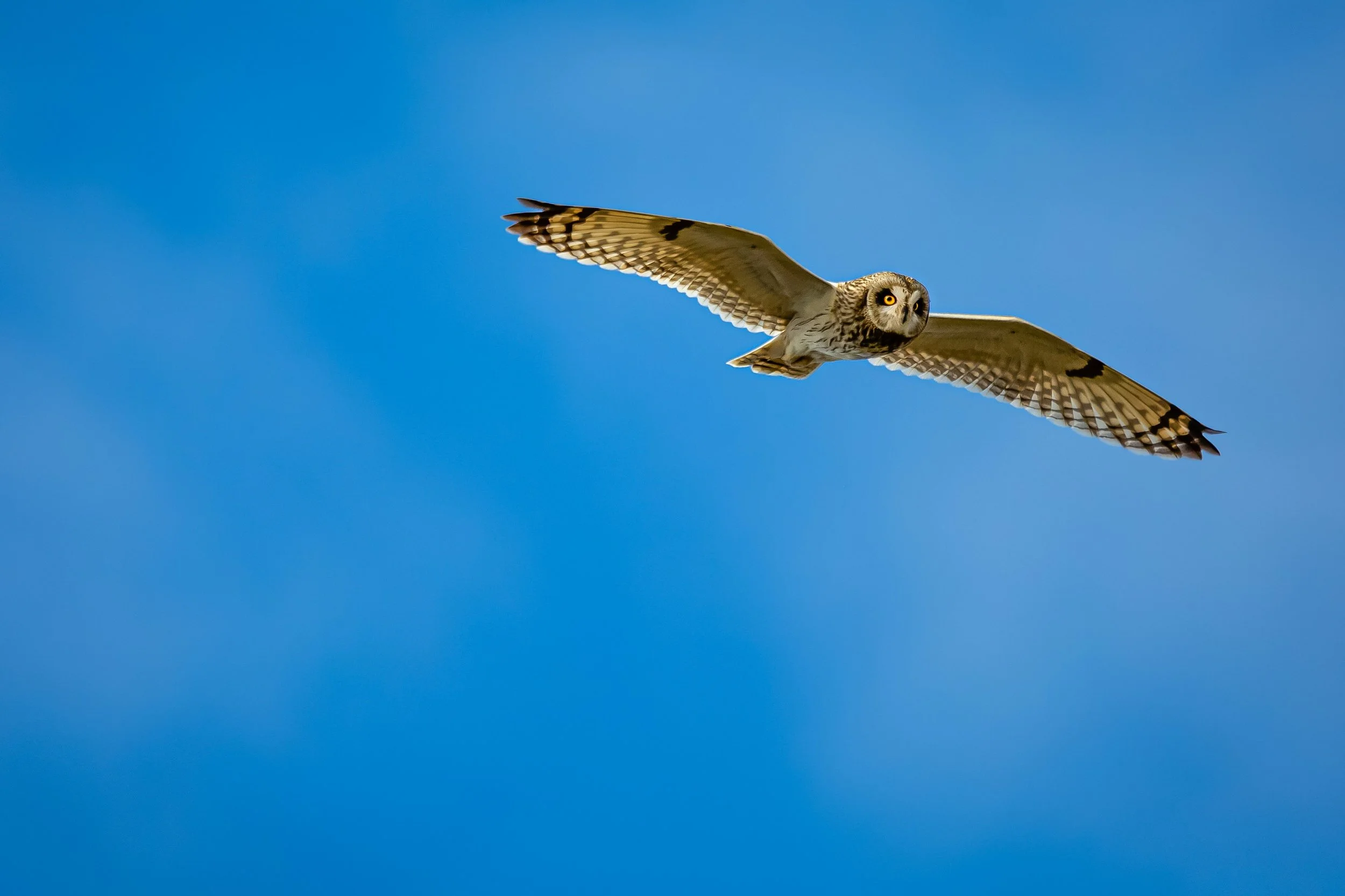
The central concept is to zoom out from the immediate problem and have a look at the big picture of what is going on. By understanding the big picture, we create wiser responses to a child's behaviour, like a wise owl flying above the landscape of your child's life. I offer online consultation and short term coaching to deal with your parenting concerns. I cover the whole life span, from infants to adult offspring. I listen empathically, I notice your parenting strengths, and I assess the issues with the big picture most in mind. From this upper perspective, we can then focus in together on where the change is needed.
I am a Clinical Psychologist with more than 25 years’ experience in coaching parents and, just as importantly, I am a parent myself. I have listened to parents now for more than 20,000 hours. It is from this experience that I have developed Wisdom Questions and Wisdom Principles to help guide parents. Why does it matter to develop parenting wisdom, you may ask? I have found that wisdom prevents problems from happening, it fixes problems more quickly when they do occur, and the fixes last for longer.
Wise parenting is listening to our own inner wisdom, which we all have. Stress and emotions can often override this, however, and we find ourselves reacting, rather than responding. Often our own childhood and past gets in the way of doing the wisest thing. I have experienced this as a parent myself! For example, my instinct has understandably been to save my children from suffering and hurt. A wise parent, however, will consider when it is in the child's longer-term interests to suffer just a little, so that they develop skills and resilience. The child can also experience natural consequences for their behaviour. This happens, for example, when we do not rush in to rescue our teenager from a problem that they need to solve in order to become an independent adult.